 Image 1 of 5
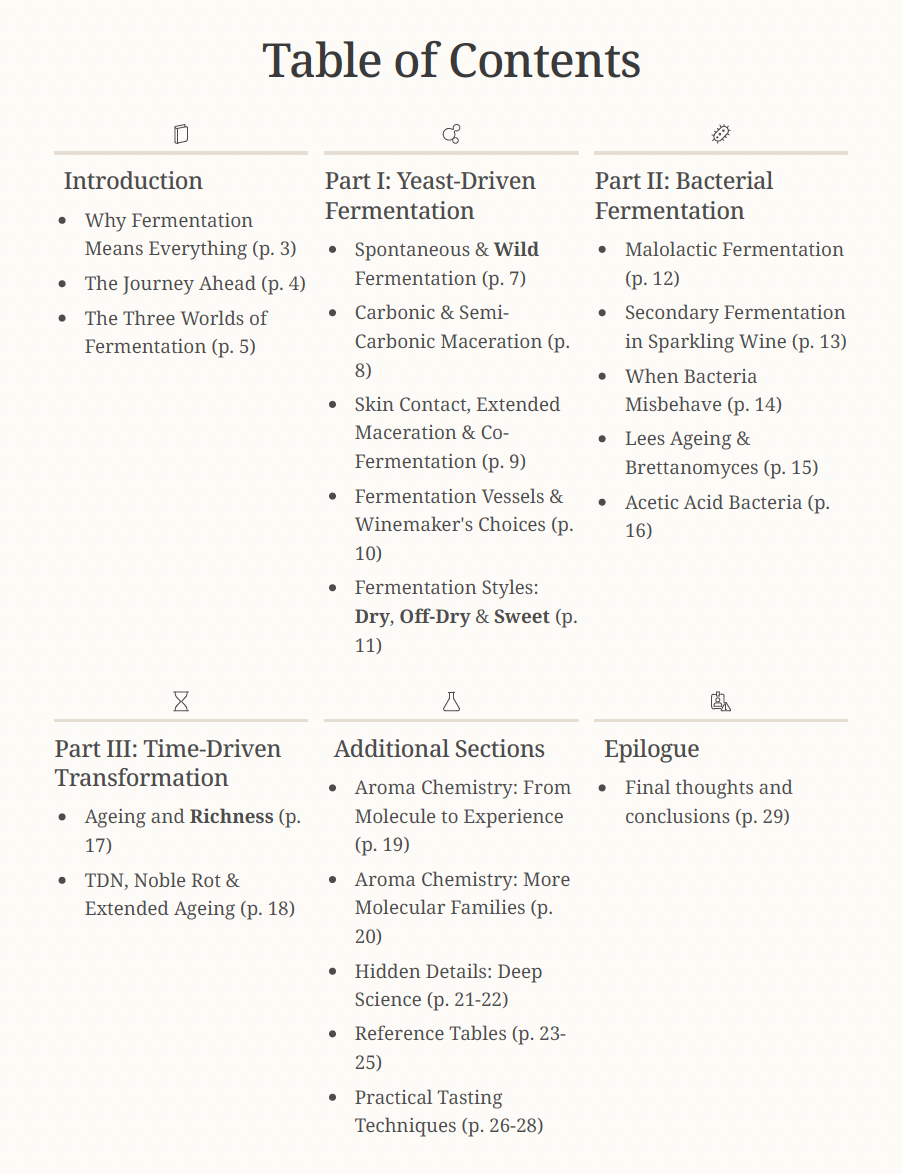 Image 2 of 5
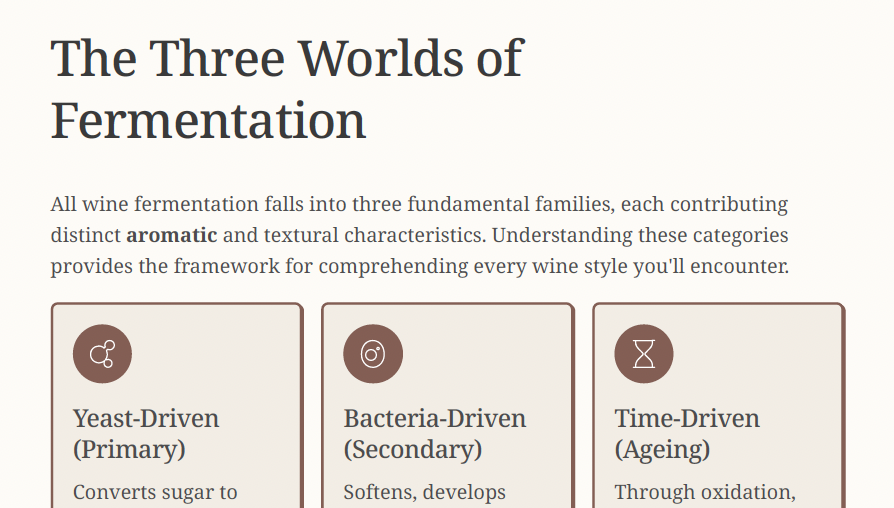 Image 3 of 5
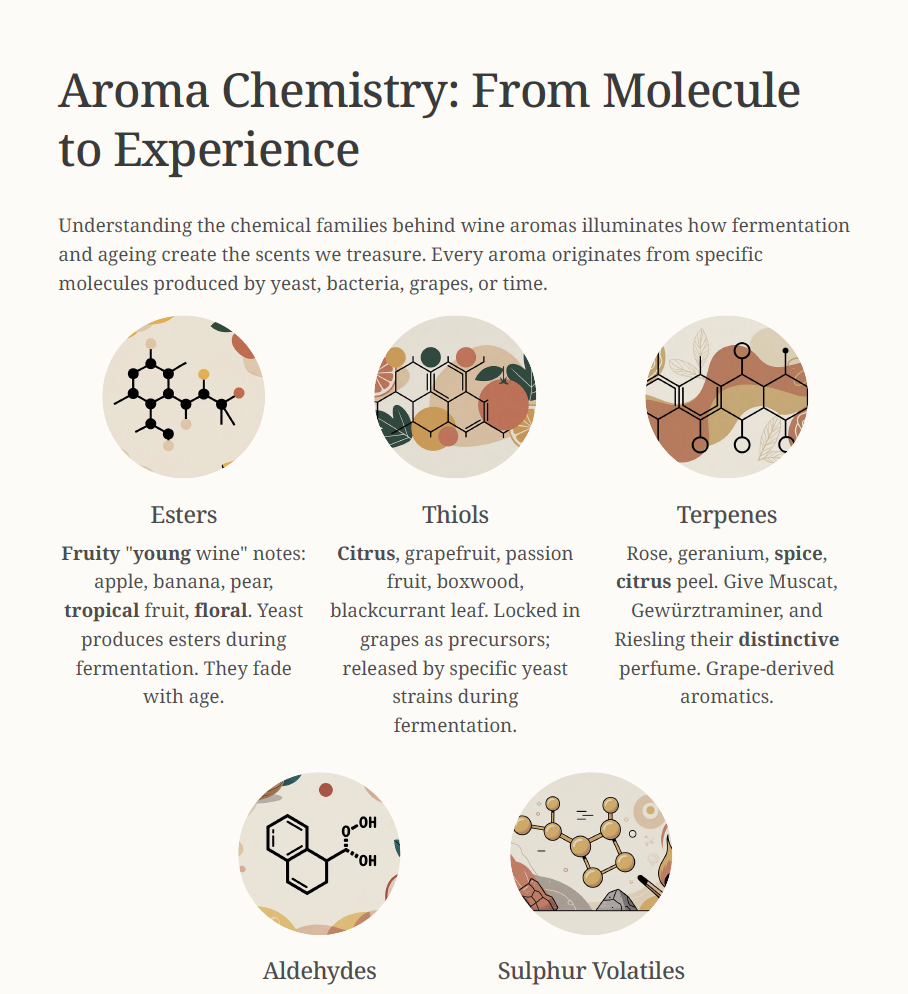 Image 4 of 5
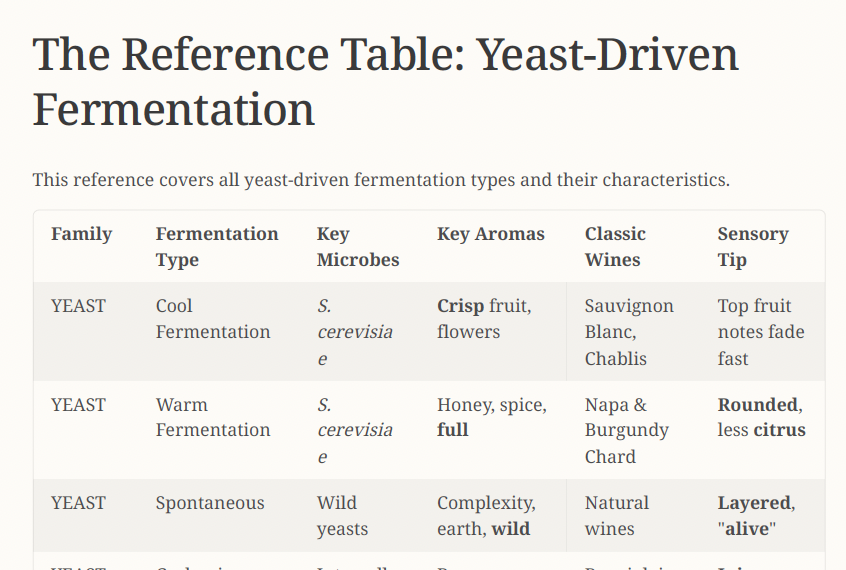 Image 5 of 5
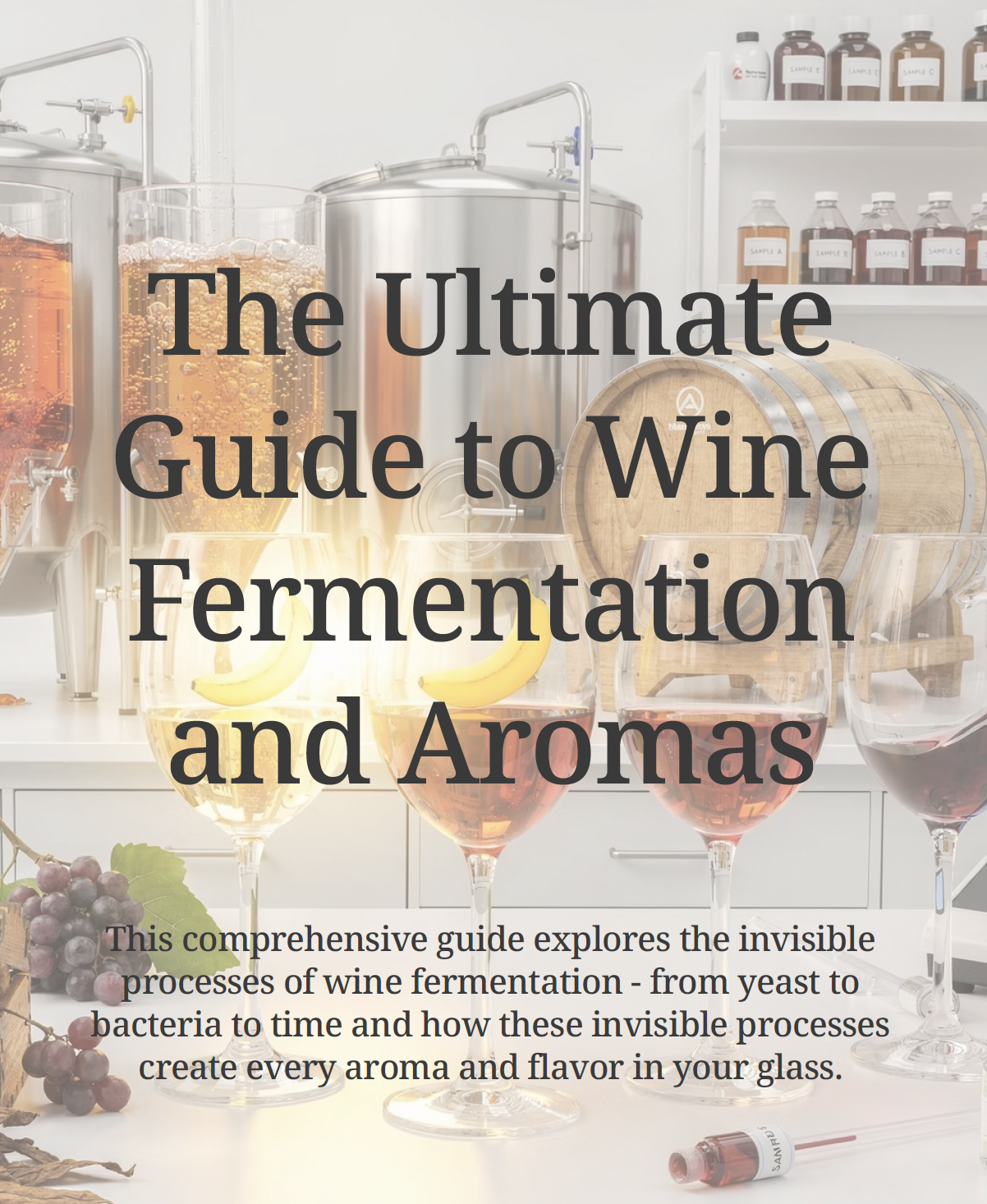
This guide explains how fermentation creates aroma, texture and structure in wine.
It focuses on causes, not descriptions.
Instead of memorising grape varieties or regions, you learn how yeast, bacteria and time shape what you smell and taste. This allows you to understand any wine, regardless of style or origin.
After reading this guide, you will be able to:
identify fermentation styles by aroma and texture
understand why specific notes appear in the glass
separate grape character from winemaking influence
recognise common faults and distinguish them from stylistic choices
taste more consistently and with clearer structure
What makes this guide different:
it explains wine through fermentation processes, not marketing language
every concept is linked to a sensory outcome
no storytelling, only cause–effect logic
suitable for both beginners and advanced wine drinkers
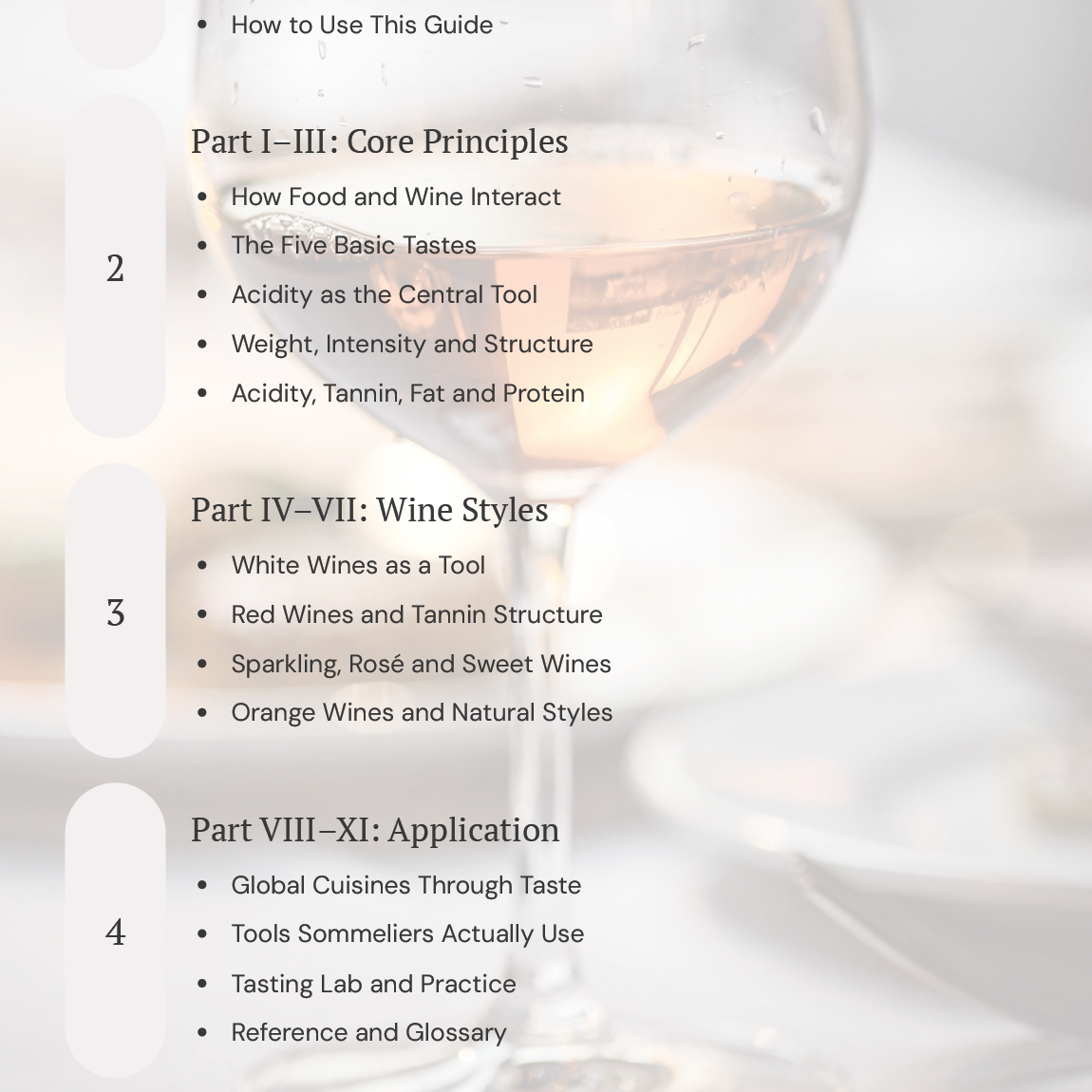
What the guide contains:
yeast-driven fermentation: inoculated vs wild, temperature impact, carbonic and semi-carbonic maceration, skin contact, co-fermentation
bacterial processes: malolactic fermentation, lees ageing, Brettanomyces, acetic bacteria and their sensory impact
time-driven transformation: oxidative and reductive ageing, bottle development, noble rot, TDN in Riesling
fermentation vessels and how steel, oak, concrete and amphora change aroma and texture
clear explanation of dry, off-dry and sweet fermentation stopping points
aroma chemistry explained practically: esters, thiols, terpenes, aldehydes, sulphur compounds
reference tables linking each fermentation type to typical aromas and wine styles
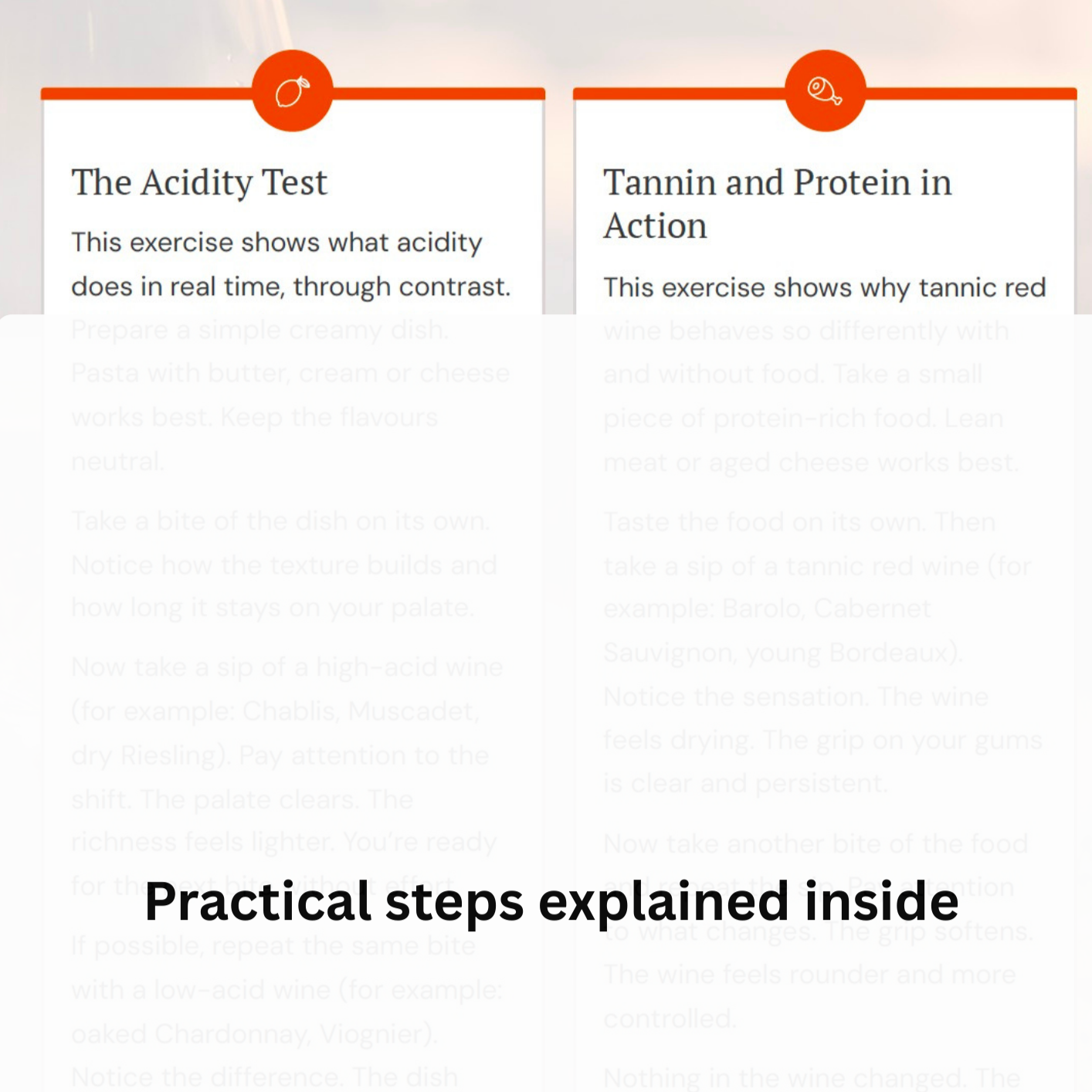
practical tasting methods to train aroma recognition and reduce guessing
Practical outcomes:
you can explain why a wine smells buttery, funky, smoky, nutty or petrol-like
you can predict style before checking the label
you understand why some wines feel flat, harsh or unbalanced
you gain a repeatable tasting framework instead of relying on intuition
This guide explains how fermentation creates aroma, texture and structure in wine.
It focuses on causes, not descriptions.
Instead of memorising grape varieties or regions, you learn how yeast, bacteria and time shape what you smell and taste. This allows you to understand any wine, regardless of style or origin.
After reading this guide, you will be able to:
identify fermentation styles by aroma and texture
understand why specific notes appear in the glass
separate grape character from winemaking influence
recognise common faults and distinguish them from stylistic choices
taste more consistently and with clearer structure
What makes this guide different:
it explains wine through fermentation processes, not marketing language
every concept is linked to a sensory outcome
no storytelling, only cause–effect logic
suitable for both beginners and advanced wine drinkers
What the guide contains:
yeast-driven fermentation: inoculated vs wild, temperature impact, carbonic and semi-carbonic maceration, skin contact, co-fermentation
bacterial processes: malolactic fermentation, lees ageing, Brettanomyces, acetic bacteria and their sensory impact
time-driven transformation: oxidative and reductive ageing, bottle development, noble rot, TDN in Riesling
fermentation vessels and how steel, oak, concrete and amphora change aroma and texture
clear explanation of dry, off-dry and sweet fermentation stopping points
aroma chemistry explained practically: esters, thiols, terpenes, aldehydes, sulphur compounds
reference tables linking each fermentation type to typical aromas and wine styles
practical tasting methods to train aroma recognition and reduce guessing
Practical outcomes:
you can explain why a wine smells buttery, funky, smoky, nutty or petrol-like
you can predict style before checking the label
you understand why some wines feel flat, harsh or unbalanced
you gain a repeatable tasting framework instead of relying on intuition